
The History of Luxury Watch Design
Luxury watches are more than simple timekeeping devices. Over the centuries, they have become symbols of craftsmanship, innovation, and personal style. The history of luxury watch design reflects the evolution of engineering, fashion, and cultural trends.
Understanding the history of luxury watch design helps enthusiasts appreciate the details and creativity behind modern timepieces.
The Early Origins of Watchmaking
The story of luxury watch design begins several centuries ago. Early portable timekeeping devices appeared in the 16th century when watchmakers began developing small mechanical clocks that could be carried.
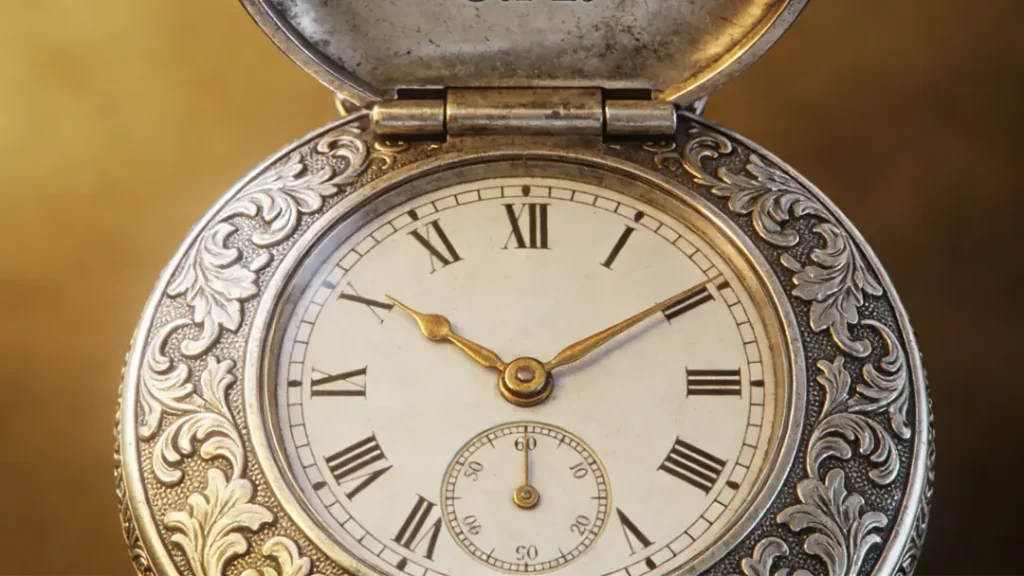
These early watches were often large, decorative pieces worn as pendants rather than on the wrist. They featured intricate engravings, ornate cases, and artistic craftsmanship.
At this stage, watches were considered luxury items owned mainly by royalty and wealthy individuals.
The Transition from Pocket Watches to Wristwatches
For many years, pocket watches dominated the watch industry. These watches were typically carried in pockets and attached to chains.
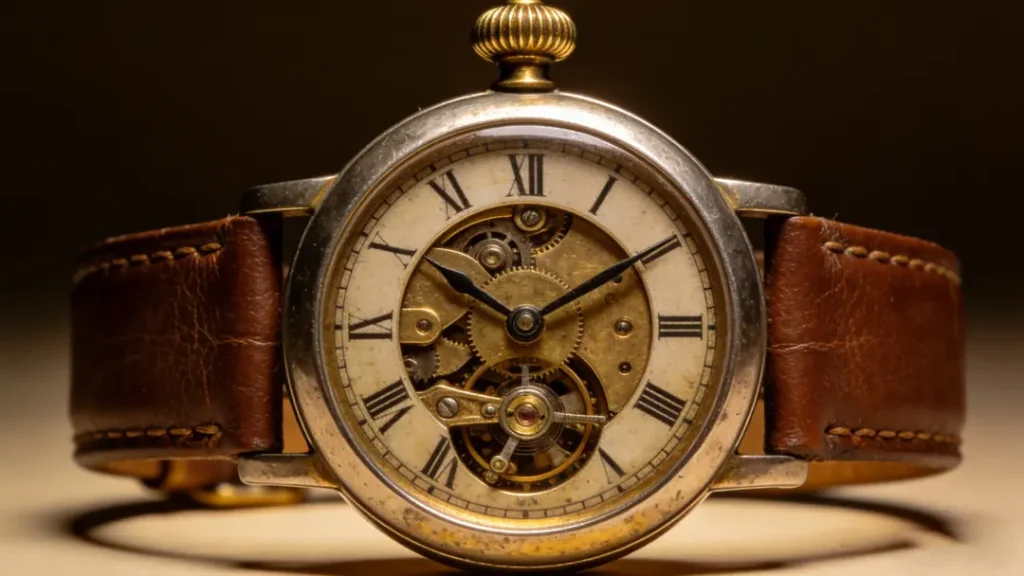
However, during the late 19th and early 20th centuries, wristwatches began to gain popularity. One major reason was practicality. Soldiers during wartime found wristwatches easier to read than pocket watches.
As wristwatches became more common, designers began focusing on watch case proportions, dial layouts, and strap designs suitable for everyday wear.
This period marked a major turning point in luxury watch design.
The Rise of Iconic Watch Styles
During the mid-20th century, many iconic watch designs were introduced. These designs helped define the modern look of luxury watches.
Some important developments included:
- Sport watches designed for diving and aviation
- Chronograph watches with multiple sub-dials
- Elegant dress watches with minimalistic designs
Watchmakers began experimenting with materials, shapes, and dial details to create distinctive styles.
Many of these designs continue to influence watch aesthetics today.
The Evolution of Watch Materials
As watchmaking technology improved, manufacturers began using stronger and more advanced materials.
Some commonly used materials included:
- Stainless steel for durability
- Sapphire crystal for scratch resistance
- Ceramic components for modern designs
These materials improved the longevity and performance of watches while also enhancing their visual appeal.
Designers also explored new case shapes, bracelet styles, and finishing techniques.
Modern Luxury Watch Design
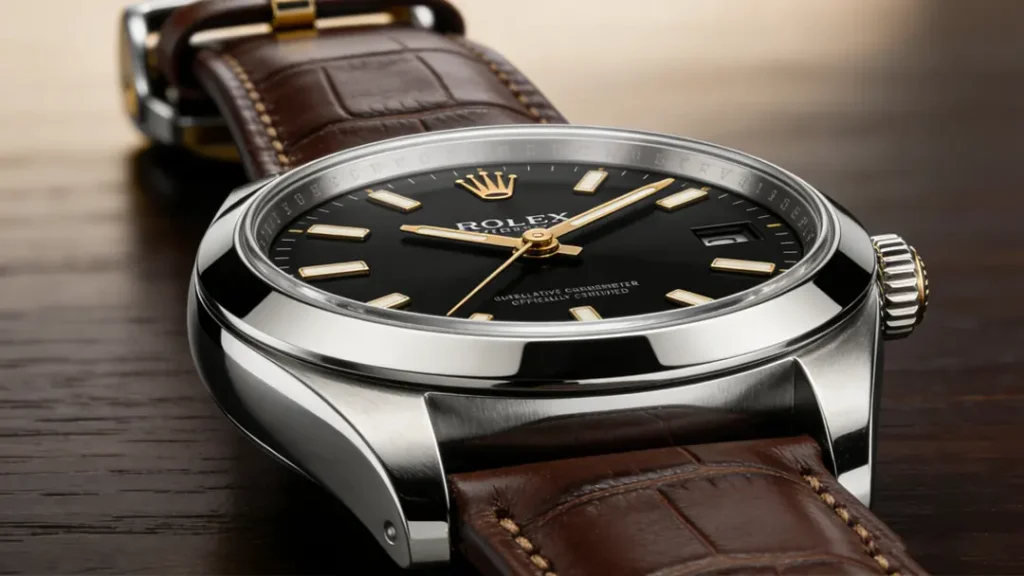
Today, luxury watch design combines traditional craftsmanship with modern technology.
Watchmakers focus on several important design elements:
- Balanced case proportions
- Detailed dial textures
- Precision mechanical movements
- Comfortable bracelet construction
Modern watch designs often draw inspiration from historic models while introducing contemporary materials and finishes.
This blend of heritage and innovation keeps luxury watches relevant in the modern era.
Why Watch Design Continues to Evolve
Luxury watch design continues to evolve because watches are both functional tools and personal accessories.
People choose watches not only to tell time but also to express their style, interests, and personality.
Some collectors prefer classic designs inspired by traditional watchmaking, while others enjoy modern interpretations with bold shapes and innovative materials.
Luxury Watch Design and Replica Watches
The influence of historic watch designs can also be seen in many modern replica watches. Replica timepieces often take inspiration from iconic luxury watch aesthetics while offering a more accessible option for enthusiasts.
If you’re interested in exploring watches inspired by classic luxury designs, you can visit premium watch styles available on ustimeluxury.
Final Thoughts
The history of luxury watch design is a fascinating journey that spans centuries of craftsmanship and innovation. From early decorative pocket watches to modern mechanical masterpieces, watch design has continually evolved to reflect changing technologies and styles.
By understanding the history behind these timepieces, watch enthusiasts can gain a deeper appreciation for the artistry and engineering that define luxury watchmaking today.